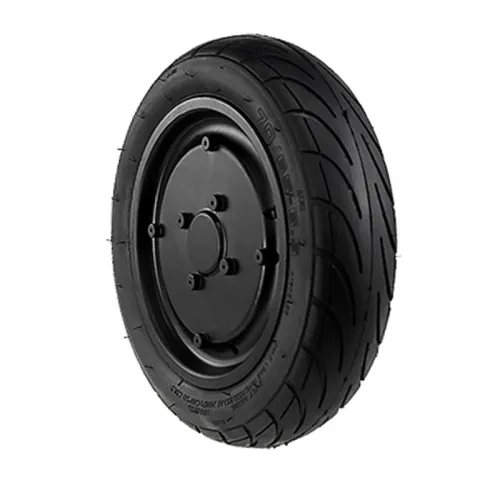

This practical guide explains how kart manufacturers, track operators and serious enthusiasts can select an 8-inch single-sided press-shaft hub motor and pair it precisely with custom tires and axle specifications to optimize performance, safety and serviceability.
Single-sided press-shaft hub motors (also referred to as single-sided axle hubs) place the wheel and motor assembly on one side of the axle. Compared with symmetric double-sided mounts, this configuration offers clear operational advantages for karts:
Trade-offs: the single-sided design concentrates bending loads on bearings and the hub flange, so proper axle diameter, material selection and reinforcement are critical for durability.
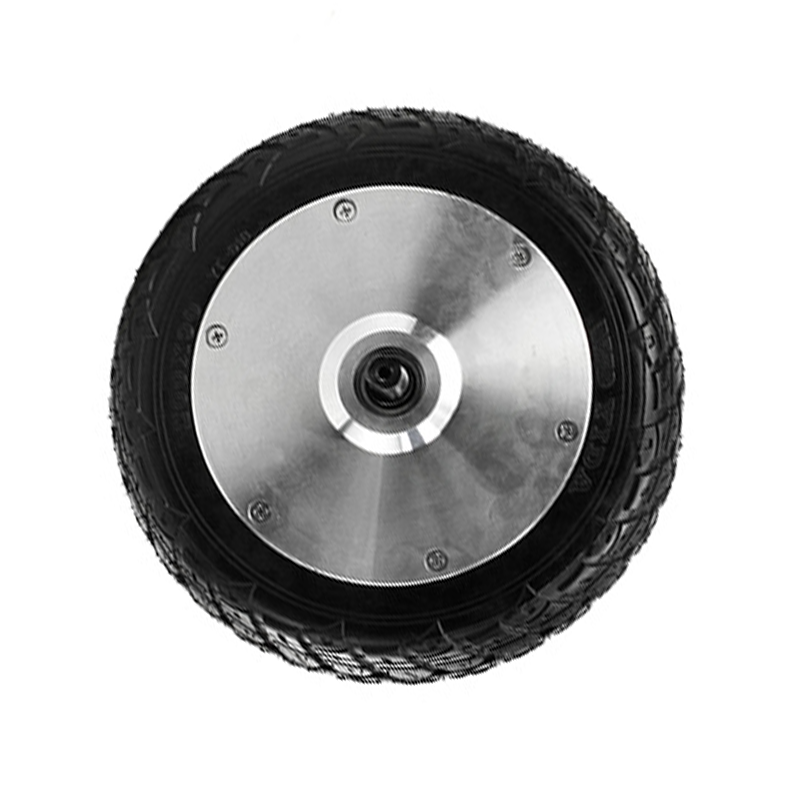
Matching hub motor output to tire diameter, width and compound is essential. Three parameters are especially influential:
As a rule of thumb for 8-inch hub motors: smaller, narrow tires (6–8 in. / 100–140 mm width) suit lightweight rental karts with 1.0–1.5 kW continuous motors; wider recreational tires (8–10 in. / 140–200 mm) benefit from 1.5–2.5 kW continuous ratings. Professional applications using softer compounds or aggressive setups may require peak power reserves of 2.5–4 kW to maintain performance under load.
| Tire (outer / width) | Recommended continuous power | Typical peak torque (wheel) | Best use |
|---|---|---|---|
| 6–8 in. / 100–140 mm | 0.8–1.5 kW | 10–25 Nm | Lightweight rental karts |
| 8–10 in. / 140–200 mm | 1.5–2.5 kW | 20–45 Nm | Family entertainment, mixed-use tracks |
| 10–12 in. / 180–240 mm | 2.5–4.0 kW | 40–85 Nm | Performance and pro rental karts |
Note: torque values are wheel torque. For hub motors, motor torque is the same as wheel torque; calculate traction using Force = Torque / effective radius.
The hub bore and axle diameter must be matched to ensure load-bearing capacity and accurate alignment. Practical guidelines:
Reinforcement suggestions: specify high-grade bearings (e.g., angular contact bearings) and hardened axle materials (e.g., 40Cr/4140) when ordering single-sided hub motors for high-use scenarios.
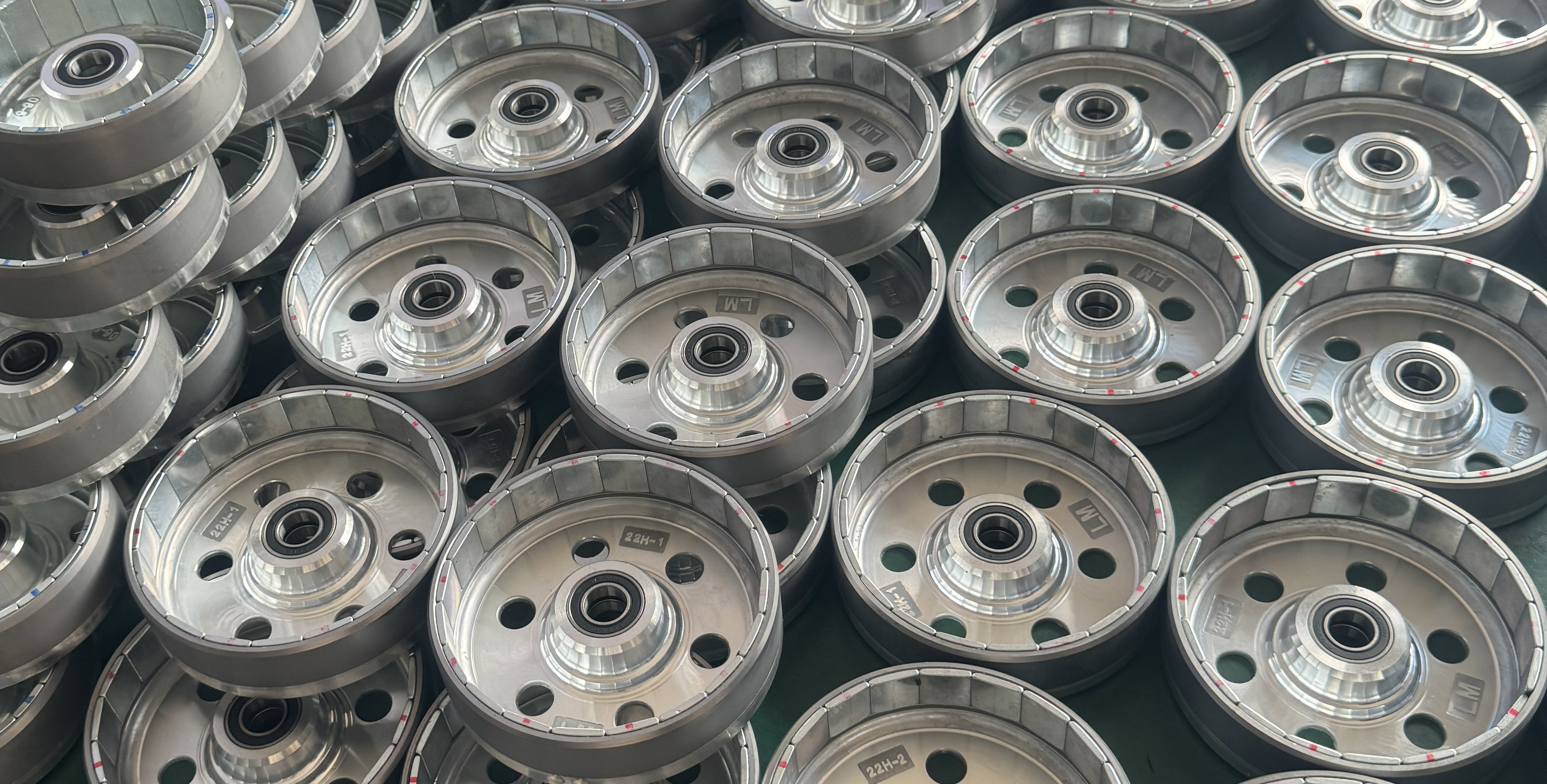
Two common scenarios demand different matching strategies:
Priorities: consistent lap times, thermal management and precise handling. Use larger diameter tires with stiffer sidewalls on 2.5–4.0 kW hub motors, advanced encoders for traction control and reinforced single-sided hubs with 25–30 mm axle diameters.
Priorities: low maintenance, safety envelope and predictable behavior. Choose 8-inch hub motors with 1.5–2.5 kW continuous rating, durable 8–10 in. tires in harder compounds, and service-friendly single-sided press-shaft hubs for quick wheel swaps.
For reliable performance, ensure:
A: For heavier loads, specify motors with higher continuous power (≥2.5 kW) and confirm axle diameter ≥25 mm with reinforced bearings. Also select tires with a larger contact patch and stiffer carcass to avoid overheating and premature wear.
A: Softer compounds increase rolling resistance and heat generation at the wheel. Compensate with a higher power rating and ensure motor thermal paths and controller limits are set appropriately.
A: Off-the-shelf tires work for standard setups, but custom tires allow optimization of profile, compound and width to match a hub motor’s torque curve—reducing energy loss and extending component life.
Manufacturers such as Shenzhen Jinhai Xin Holdings Co., Ltd. provide high-quality 8-inch single-sided press-shaft kart hub motors designed for modular tire and axle compatibility. Key customization options typically include:
These custom services streamline procurement and reduce integration risk for both track operators and kart OEMs.

 380
|
380
|
 kart hub motor selection
custom kart tire matching
precision kart axle specifications
single-sided hub motor design
kart power transfer optimization
kart hub motor selection
custom kart tire matching
precision kart axle specifications
single-sided hub motor design
kart power transfer optimization
 45
|
brushless hub motor
short-shaft design
disc brake system
electric go-kart torque optimization
high-speed kart handling
45
|
brushless hub motor
short-shaft design
disc brake system
electric go-kart torque optimization
high-speed kart handling