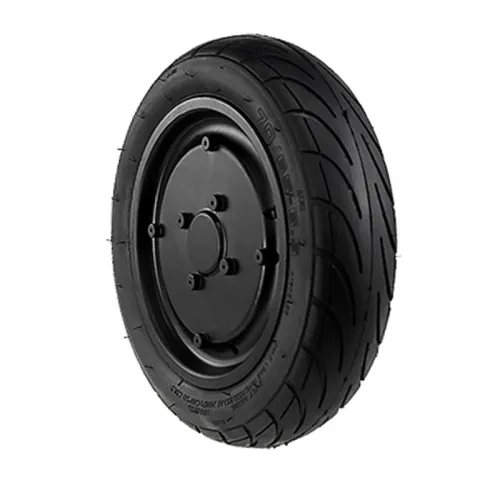
Boost Kart Power Transfer with 8-inch Single-Sided Hub Motor, 255mm Tire & 115mm Precision Axle
2026-01-15
Product related content
If you want to noticeably improve kart power transfer, handling and serviceability, the right match of hub motor, tire and axle is decisive. This article guides you through the engineering logic behind an 8-inch single-sided hub motor, 255mm custom tire and 115mm precision axle — explaining how axle diameter tolerance, tire width and compound, and single-sided mounting affect torque delivery, traction and maintenance across professional race tracks and amusement circuits. You’ll learn practical selection rules, common pitfalls (like mismatched axle fit or soft compound wear), and real-world trade-offs between lap performance and lifecycle cost, finishing with a proven combo from Shenzhen JinhaiXin that supports bulk customization for team and venue operations.

Increase Karting Power Transfer Efficiency: The Hub Motor + Custom Tire + Precision Axle Golden Trio
If you want to get more usable power to the tarmac without overhauling your chassis, you must stop treating components as isolated purchases. Matching an 8-inch hub motor, a 255mm custom tire and a precision 115mm axle together is where measurable performance, durability and serviceability come together.
Why system-level matching beats single-item upgrades
When you buy a hub motor alone, you leave a lot of efficiency and handling on the table. Power transfer is only as good as the weakest mechanical interface: motor torque vs wheel traction vs axle stiffness and concentricity. Poorly matched parts increase heat, accelerate tire wear and create unpredictable handling—especially under repeated starts and lateral loads. A matched trio reduces drivetrain losses by an estimated 4–12% vs uncoordinated upgrades and cuts maintenance downtime for fleet operations.
Hub motor selection: what to prioritize for karting
Choose a hub motor based on torque curve, peak efficiency, thermal management and mounting design. For 8-inch hub motors used in kart applications, you should typically expect:
- Nominal torque range: ~30–80 Nm (tune to kart mass and gearing)
- Peak efficiency window: 88–95% between 25–75% throttle—optimize controller mapping to remain in this band
- Robust thermal path: aluminum shell and internal cooling channels prolong continuous high-load runs
- Mounting: single-sided press-fit (single-side compression design) simplifies drivetrain assembly and wheel change for park fleets
Custom tire matching: geometry, compound and expected wear
Tires are where torque meets surface. For your 8" wheel setup, selecting a 255mm custom tire can deliver the balance you need between grip area and rotational inertia. Consider these parameters:
- Section width: 255mm provides a larger contact patch without excessive rotational inertia—good for both sprint racing and heavy-usage amusement fleets.
- Compound: softer compounds (A ratings) give quicker bite but wear faster (~200–400 operating hours in high-abuse use); medium compounds (B) extend life to 400–800 hours with respectable lap times.
- Tread profile: flatter center for even wear in track settings; more rounded profile for indoor amusement centers to reduce twitching on painted floors.
Precision axle parameters: what really matters
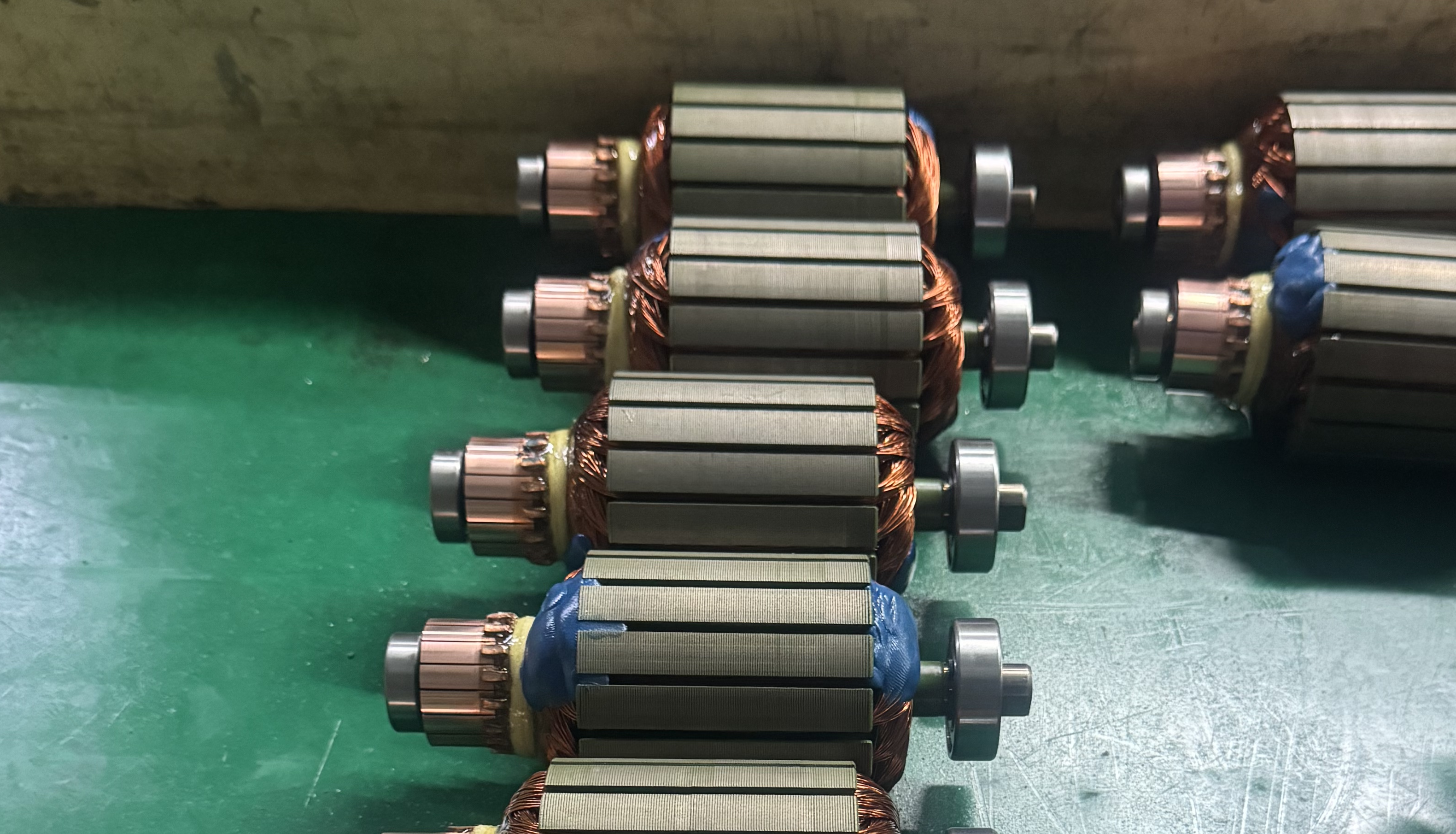
The axle is the invisible governor of drivetrain harmony. You want consistency in diameter, minimal runout and sufficient shear strength. For a 115mm precision axle used with an 8" hub:
- Length: 115mm optimized for compact wheelbase karts—enough engagement for bearings and press-fit interfaces
- Diameter tolerance: tight tolerances (preferably ±0.01 mm) reduce vibration and bearing preload issues
- Surface finish & hardness: ground surface with 40–60 HRC (case-hardened where applicable) improves fatigue life and resists galling
Single-sided press-fit design: advantages for installation and maintenance
A single-sided press-fit hub motor simplifies your workflow: faster wheel swaps, reduced bearing disassembly and predictable alignment. For operators running multiple karts (rental fleets or race teams), that translates into faster turnaround and lower labor costs. It also helps maintain concentricity because you avoid mismatched dual-side mounting stresses.
How to match components to your scenario: Pro racing vs Amusement use
Optimize differently depending on your primary KPI:
- Professional track racing: Prioritize motor torque density, tire compound performance and axle stiffness. Accept higher maintenance cadence for lap-time gains—aim for the soft-to-medium compound and tighter axle tolerances (≤0.02 mm).
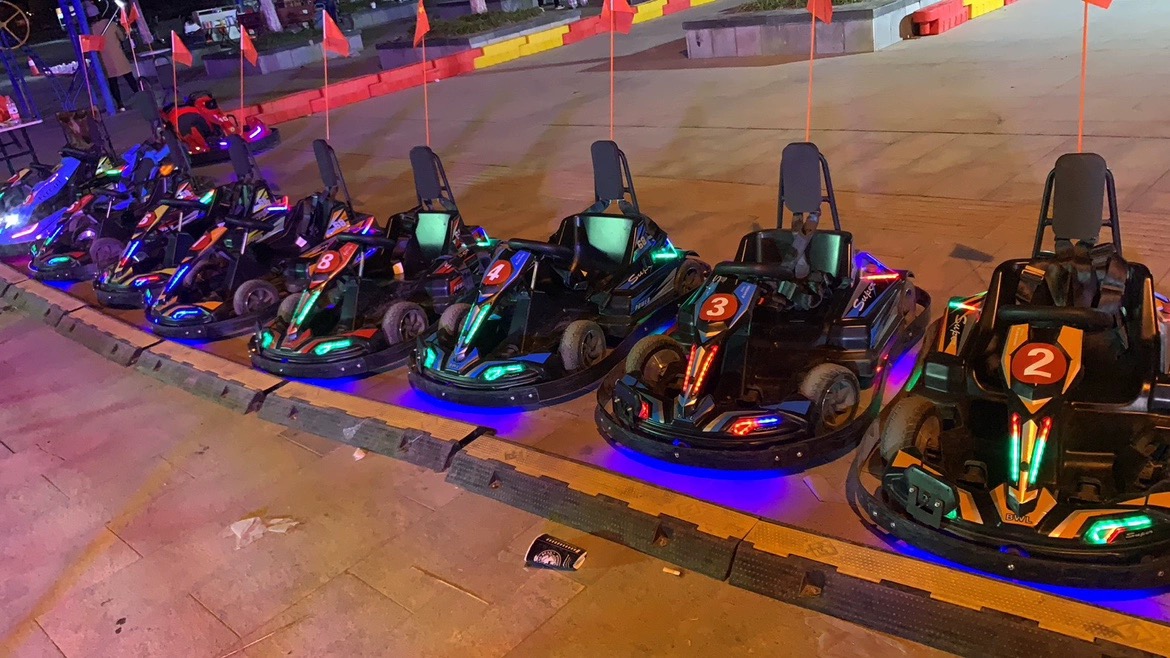
- Amusement parks / rental fleets: Prioritize durability, repeatable handling and low-service solutions. Choose medium tire compound for longer life (400–800 hours), a single-sided press-fit hub motor for quick service, and a 115mm precision axle with robust surface treatment.
"We switched our rental fleet to matched hub motor, 255mm custom tires and precision 115mm axles. Downtime dropped by 35% in six months and customers noticed steadier cornering—big win for operations." — Technical Manager, Urban Karting Center
Practical selection checklist (actionable steps)
- Define primary use: racing or rental. Set expected service interval (hours) and target lifespan.
- Pick an 8" hub motor with a declared efficiency ≥88% and torque spec matching kart mass + 20% safety margin.
- Select a 255mm tire compound based on expected hours: softer for performance, medium for longevity.
- Specify axle length 115mm with ≤0.02 mm runout and surface hardening to reduce fatigue.
- Ask your supplier for batch consistency data and test-fit samples before full fleet buy.
If you're evaluating suppliers, request measured efficiency graphs, runout and hardness test reports, and sample tires for a short endurance loop (e.g., 50 consecutive laps) to judge heat build-up and wear pattern.


 92
|
92
|
 go-kart hub motor selection
custom tire matching
single-sided press-axle design
axle compatibility
go-kart hub motor selection
custom tire matching
single-sided press-axle design
axle compatibility